Thinking about a close-in Boston suburb that still feels like a small town? If you want walkable errands, quick access to Cambridge or downtown, and real green space without moving far out, Belmont deserves a hard look. In this guide, you’ll learn how daily life works here, from village centers and parks to commute choices and typical housing costs. You’ll also see who Belmont tends to fit and how to plan your move. Let’s dive in.
Location and quick snapshot
Belmont sits just northwest of Cambridge, about 6 to 9 miles from downtown Boston depending on your route. The town is compact, so most amenities are a short drive or bike ride away. As of July 1, 2024, Belmont’s population is about 27,442 with roughly 10,400 households, and more than 80% of adults hold a bachelor’s degree or higher, according to U.S. Census QuickFacts. You’ll find a majority of owner-occupied homes along with meaningful rental and condo options near the commercial centers and transit.
Village centers and daily life
Belmont’s rhythm comes from three walkable village centers, each with a different feel. You can grab coffee, run errands, and meet friends without leaving town. Short-term municipal parking lots sit near each center, making quick stops easy.
Belmont Center
This is the civic hub along Leonard Street. You’ll find a bookstore, cafes, ice cream, restaurants, and a seasonal farmers market. It’s the most pedestrian-friendly area for everyday errands and casual dining.
Cushing Square
Centered at Trapelo Road and Common Street, Cushing blends local shops, groceries, and restaurants. Recent small mixed-use buildings add housing and storefront variety. It functions as a lively neighborhood shopping corridor.
Waverley Square
Around Trapelo Road and Church Street, Waverley pairs everyday retail with a commuter rail stop. Mixed-use additions have brought more choices to the area. It’s also a practical jumping-off point for transit into Boston or Cambridge.
Community rhythm
From town concerts to porch-style neighborhood events, Belmont keeps a steady calendar that underscores a small-town, close-knit feel. For context on community life and green space benefits, see this overview from the Belmont Citizens Forum. If you drive to the centers, the town’s municipal parking lots and meter rates make short errands simple.
Getting around without the stress
Transit works well for many residents. Belmont has two Fitchburg Line commuter rail stations, Belmont (at Belmont Center) and Waverley (at Waverley Square), with direct service to North Station and connections to other MBTA lines. You can review station details and typical travel patterns on this Belmont commuter rail page.
MBTA buses create quick Red Line connections too. The 73 runs between Waverley Square and Harvard, and the 74/75 connect Belmont Center and Harvard, which helps you reach Kendall and other Cambridge job centers efficiently. For route references and connections, you can scan the Harvard transportation overview.
Driving to Cambridge is short off-peak, though rush-hour traffic adds time. Biking to Alewife and parts of Cambridge is a practical option for some neighborhoods. Pro tip: when you compare homes, test the door-to-door commute from that address to your exact destination. Mixed modes like walk or bike plus bus or rail are common, and the neighborhood you choose matters.
Green space and recreation
Belmont offers more open space than you might expect this close to Boston. Trails, meadows, and ponds support everyday walks, weekend hikes, and family outings.
- Rock Meadow Conservation Area and the adjacent community plots make up a beloved, low-key destination for walks and dog-friendly visits. Get a feel for the scale of the garden program on the town’s page for the Belmont Victory Gardens at Rock Meadow.
- On Belmont Hill, the Mass Audubon Habitat Education Center and Wildlife Sanctuary offers trails, ponds, and education programs popular with families and birders.
- Along the Belmont/Waltham line, the Beaver Brook Reservation features woodlands, ponds, a waterfall, play areas, and a summer spray deck.
Around town, you’ll also find playgrounds like Pequossette and Town Field, walking loops near Clay Pit Pond, and seasonal concerts that add to Belmont’s outdoorsy vibe.
Housing style and what it costs
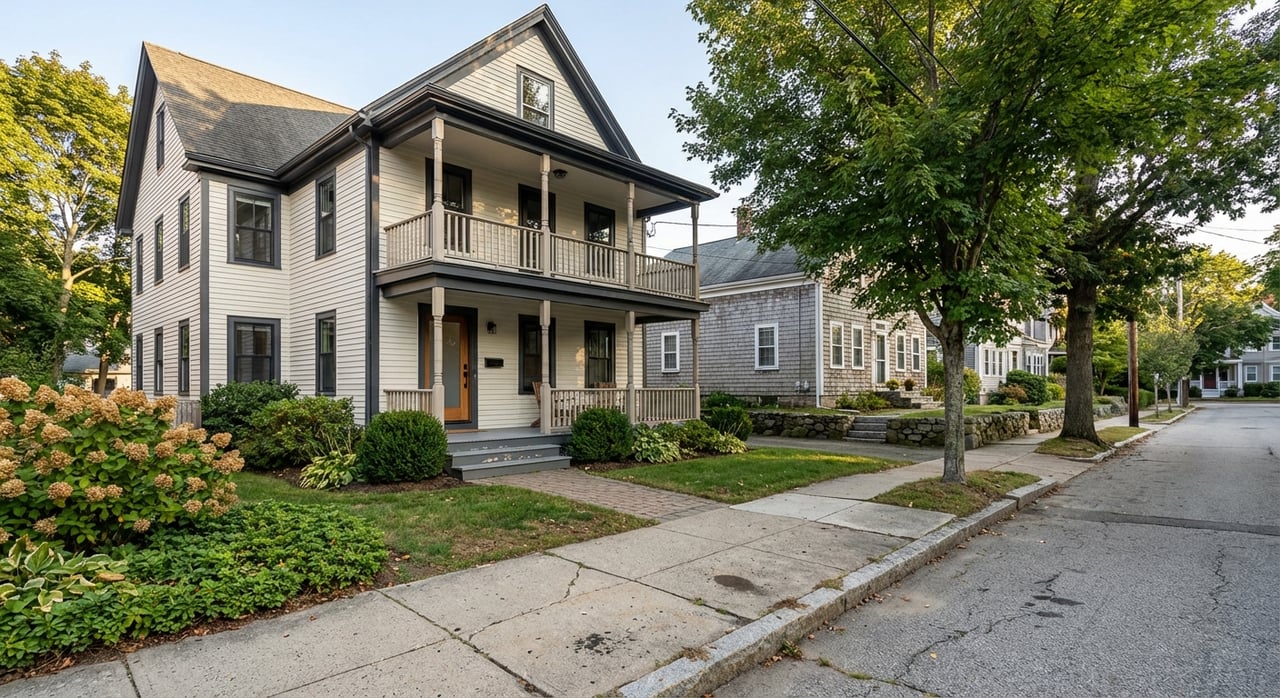
Belmont’s housing stock is classic New England. Many neighborhoods were built out in the late 19th and early 20th centuries, so you’ll see Queen Anne, Colonial Revival, Tudor or English Revival, Craftsman, and early-1900s vernacular styles. Belmont Hill tends to have the largest properties, while lower-lying neighborhoods feature modest single-family lots and some multi-family homes.
On price, public market snapshots from early 2026 place typical home values around the low-to-mid seven figures, with examples showing a typical value near 1.38 to 1.40 million and some median sale figures close to 1.5 million. Exact numbers vary by source, date, and property type, and they shift with the market. Inventory is limited, which creates competition for well-priced listings. If you are downsizing, you will find condos and small-lot homes near the village centers, though selection is tight and walkable locations carry a premium.
When budgeting, remember that property tax bills align with the town’s higher property values. You can review the town’s municipal context through Belmont’s municipal profile.
Who Belmont tends to fit
- Families who value strong public services, parks, and center-based activities. For neutral, current district information and links to state education data, start with the town’s Belmont Public Schools FAQ page.
- Professionals who commute to Cambridge or Boston and prefer a shorter, multimodal trip using bus, Red Line connections, or the commuter rail.
- Downsizers seeking a walkable setup near shops and transit, and who can accept less square footage in exchange for convenience.
- Outdoors-oriented residents who want frequent access to trails, meadows, and community events.
Smart planning tips
- Test the commute from specific addresses. Time your door-to-door trip during your typical rush hour using a mix of bus, rail, biking, and walking.
- Prepare for older-home due diligence. Many homes date to the early 1900s, so plan for a careful inspection and quotes for systems, insulation, and any desired updates.
- Set a competitive offer strategy. Limited inventory can move fast, especially for well-located homes near the centers and transit.
- Budget holistically. Factor taxes, insurance, utilities, and likely maintenance for older structures into your monthly plan.
Ready to explore Belmont?
Belmont blends village-center convenience, real green space, and strong regional access in a close-in suburb. If you want to compare neighborhoods, test commute options, and navigate a competitive market with confidence, let’s talk. Schedule a free consultation with Vahan Sardaryan to get a tailored plan for buying or selling in Belmont.
FAQs
What is the commute from Belmont to Cambridge or Boston like?
- You can ride the Fitchburg Line from Belmont or Waverley to North Station or take MBTA buses 73, 74, and 75 to Harvard for Red Line connections, with many residents using a mix of modes.
How much do homes cost in Belmont right now?
- Early 2026 public snapshots place typical values around 1.38 to 1.40 million, with some medians near 1.5 million, but prices vary by property, location, and timing.
What are the main village centers in Belmont?
- Belmont Center, Cushing Square, and Waverley Square are the three everyday hubs for coffee, dining, errands, and transit.
Where can I find notable green spaces in Belmont?
- Rock Meadow, the Mass Audubon Habitat Sanctuary on Belmont Hill, and Beaver Brook Reservation offer trails, meadows, ponds, and family-friendly amenities.
Are there condos or rentals for downsizing in Belmont?
- Yes. Options cluster near Belmont Center, Cushing Square, and Waverley Square, though inventory is limited and walkable locations often command a premium.
What taxes should I plan for in Belmont?
- Property tax bills tend to be above regional averages because of higher property values; include them in your monthly cost estimates along with insurance and maintenance.