Buying in Belmont is not just about finding enough bedrooms or liking a kitchen. In this market, the style of the home often tells you something important about layout, upkeep, expansion potential, and even your monthly carrying costs. If you are comparing colonials, Capes, and two-family homes in Belmont, understanding those differences can help you make a smarter decision. Let’s dive in.
Belmont’s housing stock shapes your options
Belmont has a notably older and more varied housing mix than many suburbs. About 49.13% of housing units are single-unit homes, 43.93% are in 2 to 4 unit structures, and 61.67% of homes were built before 1939. Only 2.23% of units were built in 2000 or later.
That matters because when you shop in Belmont, you are usually choosing from homes with history, not brand-new construction. You may see charming original details, but you should also expect a wide range in condition, past renovations, and how well older layouts fit modern living.
Belmont’s architectural character is layered as well. The town notes that many buildings blend more than one style, but Colonial Revival is likely the most widely used style in Belmont. In real life, that means listings may use familiar style labels, but the actual homes can differ a lot once you step inside.
Colonial homes in Belmont
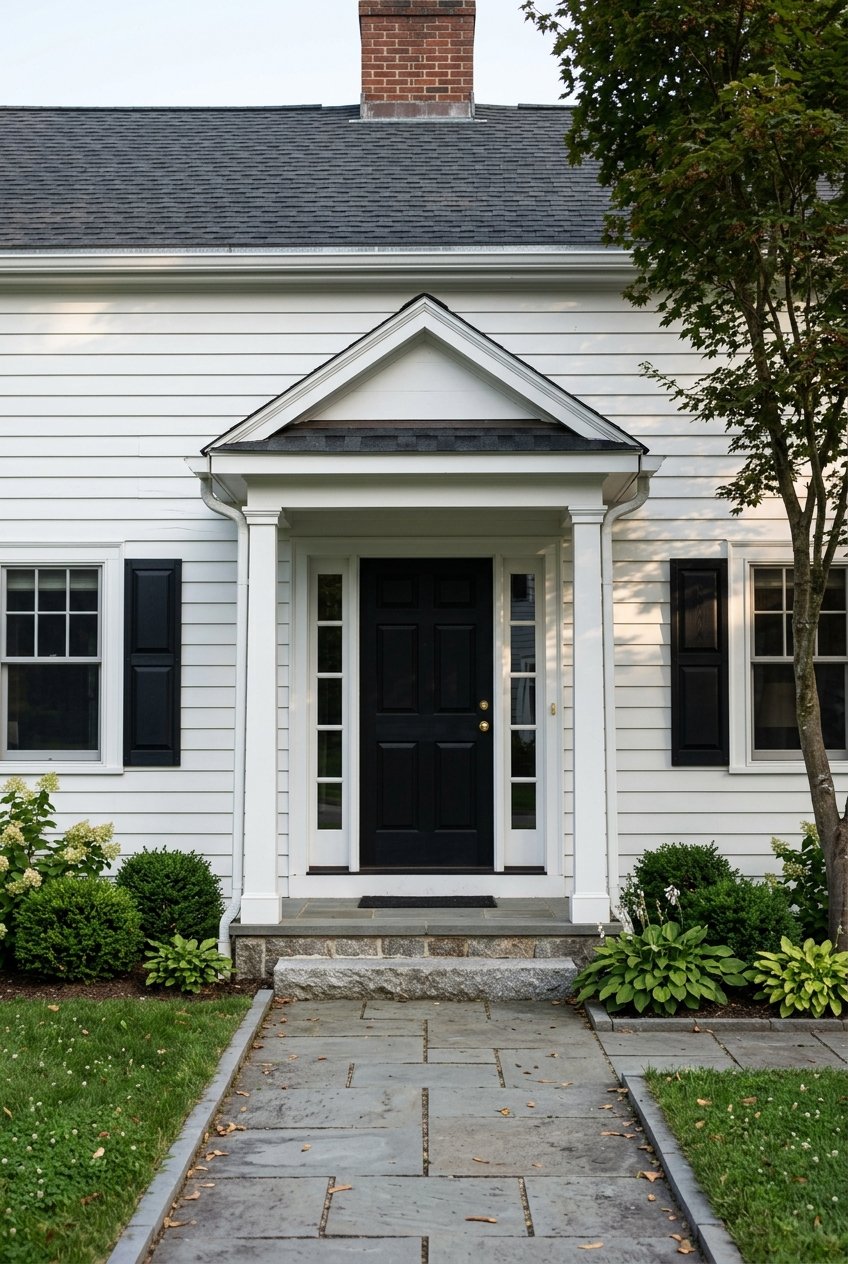
Colonial and Colonial Revival homes are some of the most common styles buyers will see in Belmont listings. Traditional colonial forms are often symmetrical, with a centered entrance and balanced front windows. In Belmont, these homes range from larger houses to more modest properties built in subdivisions across town.
For you as a buyer, the key point is that not every Belmont colonial lives the same way. Some feel formal and spacious, while others are more compact or have been expanded over time. A listing may say “colonial,” but the floor plan, room flow, and finished space can vary quite a bit depending on the home’s era and location.
In some areas, colonial-style homes appear alongside other historic styles. Belmont Park, for example, includes Queen Anne, Shingle, and Colonial Revival houses, while Belmont Hill includes a broader mix of styles and generally larger homes. That means the same style label can point to very different price points and lot characteristics.
What buyers should look for in a colonial
When touring a colonial in Belmont, focus on how the home has evolved over time. Older homes may have additions, dormers, or interior changes that improve function, but the quality and consistency of that work matter.
Ask practical questions such as:
- What major systems have been updated, and when?
- Which spaces are original versus added later?
- Were additions or major renovations done with permits?
- Does the current layout match how you actually live day to day?
For many buyers, a colonial offers classic curb appeal and a familiar layout. The tradeoff is that some older examples may need updates, especially if prior renovations were done in phases over many years.
Cape Cod homes in Belmont
Cape Cod homes are another style you are likely to encounter in Belmont. The town describes the Cape Cod form as a 1 1/2-story, slightly smaller Colonial Revival option found in many neighborhoods. Belmont also has Cape Cod homes on Belmont Hill designed by Royal Barry Wills.
For buyers, a Cape often suggests a more compact footprint than a full two-story colonial. That can be a good fit if you want a smaller home or lower-maintenance living, but it also creates tradeoffs in storage, expansion potential, and how much of the upper level is fully usable.
A Cape can look larger from the outside than it feels on the second floor. Sloped ceilings and knee-wall storage may affect how functional bedrooms, closets, or office space really are. That is why it is important to assess not just square footage, but how the finished space works in everyday use.
What buyers should check in a Cape
The biggest question in many Belmont Cape homes is how practical the upper level is. Two homes with similar square footage can feel very different depending on ceiling height, dormers, and the way the upstairs is finished.
During a showing, pay attention to:
- How much of the upper floor is fully finished
- Whether bedrooms feel comfortable and usable
- How much built-in or attic storage is available
- Whether the home appears to allow for future changes
If you need flexible space for remote work, guests, or a growing household, these details matter a lot. A Cape can be a smart buy, but only if the layout matches your needs.
Two-family and multi-family homes in Belmont
Belmont is not just a single-family market. In fact, 2 to 4 unit buildings make up 43.93% of the housing stock, which is a major part of what makes Belmont different from many nearby suburbs. The town’s housing planning materials also note that renters in Belmont are most likely to live in two-family homes or buildings with three or more units.
For buyers, that means multi-family inventory in Belmont is often small-scale rather than centered on large apartment buildings. You may be comparing side-by-side units, stacked layouts, or older two-family properties that have been updated unevenly over time.
This is especially important if you are thinking about house hacking, long-term rental income, or buying a property with extended flexibility. A two-family can create opportunity, but it also brings another layer of due diligence around condition, utility setup, documentation, and ongoing maintenance.
What buyers should verify in a multi-family
When you walk through a Belmont two-family or small multi-family property, think beyond finishes and rental potential. The structure of the building and the paperwork behind it can be just as important as the asking price.
Key questions include:
- Are the units legal and well documented?
- Are utilities separately metered?
- What leases are in place, if any?
- Was conversion or renovation work done properly?
- How much deferred maintenance may you be taking on?
For buyers interested in income property, these details can shape both your financing path and your long-term ownership experience. In a market with older housing stock, strong due diligence is essential.
Neighborhood context matters too
In Belmont, style is often tied to neighborhood character and lot size, not just the architecture itself. Belmont Center includes buildings that reflect tastes from the late 19th century through the mid-20th century. Belmont Park is known as a late-19th-century subdivision with small lots and a cohesive mix of Queen Anne, Shingle, and Colonial Revival homes.
Clark Hill is associated with English Revival and Craftsman homes, while Belmont Hill is known for larger dwellings on estate-like parcels. For you as a buyer, this means a home style cannot be evaluated in isolation. The lot, street setting, and surrounding housing pattern often tell you just as much about the property as the style label in the listing.
If you are narrowing your search, it helps to compare not just home types, but where those home types tend to appear. A colonial in Belmont Hill may represent a very different budget and ownership experience than a colonial in a more compact neighborhood setting.
Older homes require sharper due diligence
Because so much of Belmont’s housing stock predates 1939, buyers should expect variation in updates, repairs, and preservation. Two homes with similar age and style can be in very different condition depending on how they were maintained and improved over time.
That is why some of the best showing questions are also the simplest. Ask what has been replaced, what has been repaired, and what still needs work. Those answers often reveal more than cosmetic upgrades do.
If you are comparing home styles, keep your due diligence focused on the issues most common to each type:
- Colonials: check additions, dormers, and major system updates
- Capes: confirm how much upstairs space is truly functional
- Multi-family homes: verify unit setup, metering, leases, and renovation history
A careful review can help you understand whether a home is move-in ready, lightly improved, or likely to need a larger investment after closing.
Historic district rules can affect plans
Some Belmont homes are located in local historic districts, including Pleasant Street, Common Street, Richardson Farm, and Thaddeus Frost House. In these districts, exterior alterations visible from a public way require approval, and a building permit for exterior work cannot be issued without the required certificate.
The town states that a Certificate of Appropriateness is required for visible exterior alterations, new additions, changes to color or materials, and some landscape changes. If you are buying an older home and already thinking about exterior projects, this is something to confirm early.
That does not mean a historic district home is off the table. It simply means your renovation timeline and design choices may involve an extra review step. For the right buyer, that can be completely manageable as long as expectations are clear from the start.
Budget for style, neighborhood, and taxes together
Belmont buyers also need to evaluate home style through a budget lens. As of May 2026, Belmont had a median listing price of $1.375 million, 49 homes for sale, median days on market of 14, and a sale-to-list ratio of about 102%. That points to a competitive market where pricing discipline still matters.
Neighborhood price points vary sharply. Realtor.com reported median listing prices of about $2.495 million in Belmont Hill, $1.5122 million in Belmont Center, $1.512 million in Cushing Square, and $834,900 in Waverley Square. The same general home style can land in a very different price band depending on where it sits.
Taxes are an important part of the picture too. Belmont’s FY2026 tax rate is $11.51 per $1,000 of assessed value. In the town’s FY2025 classification hearing data, average assessed values were reported at $1,648,400 for single-family homes, $682,129 for condominiums, and $1,227,268 for two-family homes, with average tax bills of $18,775.27, $7,769.45, and $13,978.59 respectively.
For you, the takeaway is simple: do not judge affordability by purchase price alone. A larger colonial, a smaller Cape, and a two-family home may each create very different monthly cost profiles once taxes, upkeep, and renovation needs are factored in.
A smart Belmont buying strategy
If you are shopping in Belmont, the best approach is to treat style as a clue, not a conclusion. A colonial may offer more traditional separation of space. A Cape may offer a smaller footprint with functional tradeoffs. A two-family may open the door to flexibility or income, but with more complexity.
The goal is to connect the home’s style to your real priorities. Think about how you want to live, how much project tolerance you have, and what monthly budget feels sustainable. Once you view Belmont homes through that lens, the market becomes much easier to navigate.
If you want a practical, property-by-property read on Belmont homes, from older single-families to two-family opportunities, Vahan Sardaryan offers tailored guidance to help you buy with clarity and confidence.
FAQs
What is the most common home style in Belmont, MA?
- Colonial Revival is likely the most widely used style in Belmont, according to the town’s architectural survey.
Are Belmont homes usually older properties?
- Yes. About 61.67% of Belmont housing units were built before 1939, and only 2.23% were built in 2000 or later.
What should buyers know about Belmont Cape Cod homes?
- Belmont Cape Cod homes are often smaller 1 1/2-story homes, so buyers should pay close attention to how usable the upper level really is.
Are two-family homes common in Belmont?
- Yes. Belmont has a large share of 2 to 4 unit housing, at 43.93% of the housing stock, making small multi-family properties an important part of the market.
Can historic district rules affect a Belmont home purchase?
- Yes. If a home is in one of Belmont’s local historic districts, visible exterior changes may require local approval before exterior work can move forward.
How competitive is the Belmont housing market?
- As of May 2026, Belmont had a median days on market of 14 and a sale-to-list ratio of about 102%, which suggests a fast-moving and competitive market.